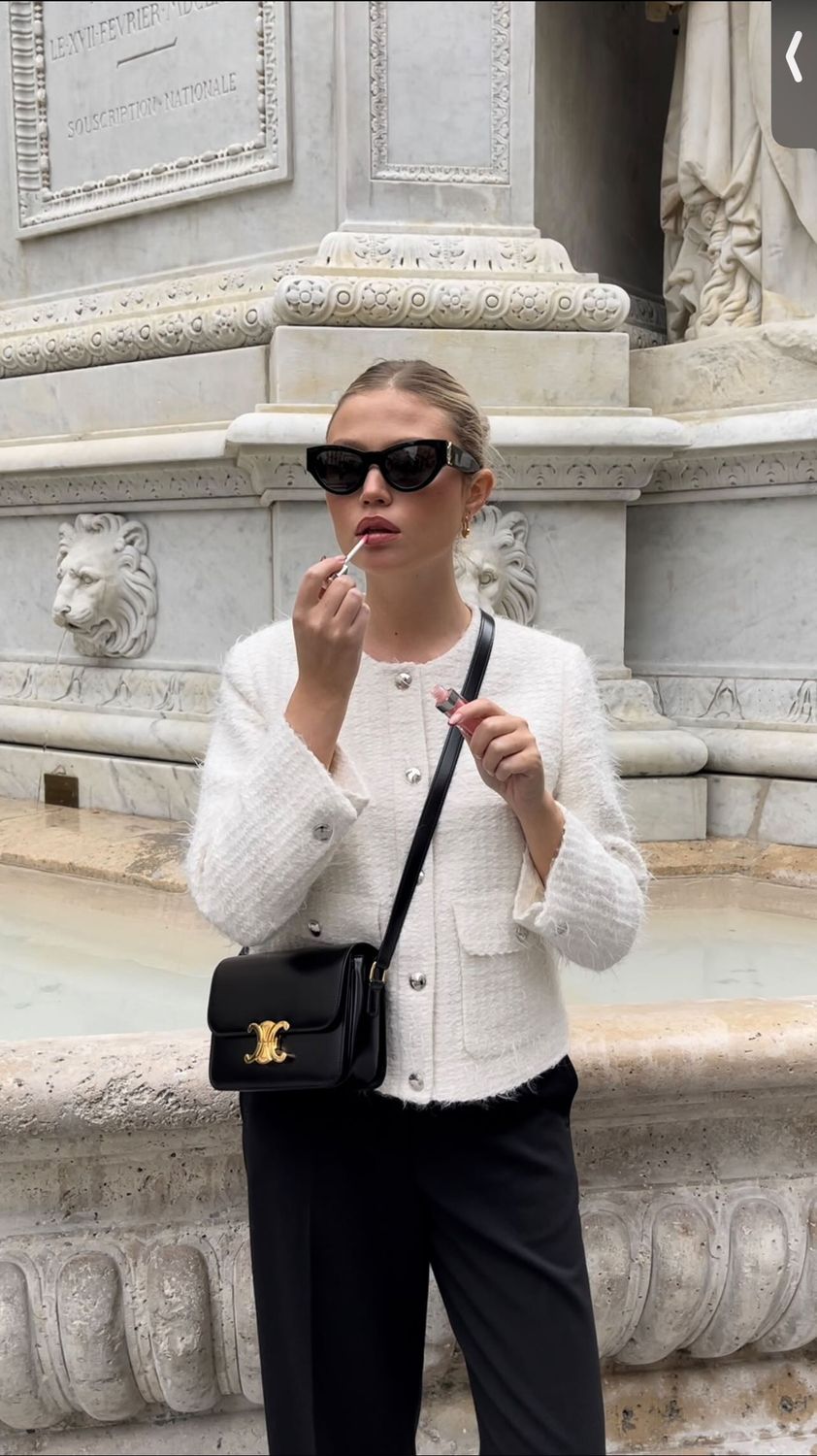
Bonjour, mes amis! As we all know, a perfect pout is the key to a chic and confident look, and French women are renowned for their effortless elegance and luscious lips. But, let’s be real, achieving that signature French lip gloss look can be a mystery to many of us outside of the City of Love. That’s why today, we’re going to demystify the art of French lip gloss-making and share our top tips and tricks to help you create a gorgeous, glossy pout that’s très chic and très French.
From the perfect blend of ingredients to the subtle art of application, we’ll take you through every step of the process, so you can say au revoir to dry, dull lips and bonjour to a radiant, rosy smile.
Basic Lip Gloss Ingredients
When it comes to creating your own lip gloss, understanding the basics of its ingredients is essential for achieving the desired texture, shine, and wearability. Lip gloss typically combines a blend of oils, waxes, and emollients that work together to provide hydration while delivering a glossy finish.
Common oils such as castor oil, jojoba oil, and coconut oil not only contribute to the smooth application but also nourish the lips. Waxes like beeswax or candelilla wax serve to thicken the formula and add structure, allowing the gloss to adhere to the lips without being overly sticky.
Emollients, such as shea butter or vitamin E, offer added moisturizing benefits and can also enhance the shine of the gloss. Additionally, colorants may be included to add a pop of color, while natural flavors or essential oils can infuse the gloss with delightful scents.
Tools and Equipment for Lip Gloss Making
Creating your own lip gloss can be a fun and rewarding DIY project, but having the right tools and equipment is essential to ensure a smooth process and a quality product.
First and foremost, a clean, flat work surface is crucial, as it keeps your working area organized and sanitary. You’ll need measuring spoons or a digital scale to accurately measure out your ingredients, which can include oils, butters, waxes, and flavorings.
A double boiler or a microwave-safe container is vital for melting your solid ingredients, such as beeswax or shea butter, allowing you to control the temperature carefully.
Additionally, a stirring tool, like a spatula or a whisk, will help you mix everything thoroughly for a uniform consistency. Small glass or plastic containers for storing your finished lip gloss are important for both preservation and presentation.
Lip gloss tubes with applicator wands can add a professional touch to your creations, making them easy to apply and perfect for gifting. Pipettes or droppers are useful for transferring liquids into smaller containers without making a mess.
Finally, labels or decorative stickers can help you personalize your gloss and showcase your unique blends. With these essential tools and equipment, you can embark on your lip gloss-making journey and create custom shades and formulas that suit your style perfectly.
Step-by-Step Guide to Creating Your Own Lip Gloss
To start, gather your ingredients and tools. You’ll need a base, which can be made from beeswax or a combination of oils like coconut, sweet almond, or jojoba oil, depending on your desired consistency. Additionally, you may want to incorporate flavor oils or essential oils to add a pleasant scent and taste, along with pigments for color—these can be natural, like beet powder, or cosmetic-grade dyes.
- Begin by melting the beeswax or combining your chosen oils in a double boiler until melted and well-blended.
- If you’re using beeswax, aim for a ratio that will give you a smooth, spreadable texture; typically, a ratio of 1 part beeswax to 3 parts oil works well.
- Once melted, remove the mixture from heat and let it cool slightly before adding in any flavorings or colors, as adding them to boiling ingredients can dilute their effectiveness and scent.
- Stir thoroughly until you achieve an even distribution of color and flavor. Next, pour the mixture into small containers or tubes while it is still warm.
- Allow the lip gloss to cool completely at room temperature, which will solidify the mixture into a creamy gloss.
- Consider embellishing your packaging with personalized labels or decorative elements, giving your homemade lip gloss a touch of elegance that reflects French beauty sensibilities.
Tips for Customizing Flavors and Scents
Customizing flavors and scents can elevate your homemade lip gloss, making it uniquely yours and adding a delightful sensory experience. One effective way to enhance your lip gloss is by using natural flavor oils or extracts, which can range from fruity options like strawberry or raspberry to refreshing mint or floral notes like lavender or rose. When selecting your flavors, ensure they are lip-safe and suitable for cosmetic use.
Start by adding a few drops of your chosen flavoring to the lip gloss mixture, then taste and adjust as necessary, being careful not to overpower the final product. Additionally, consider incorporating essential oils, which not only impart fragrance but can also provide added benefits, such as moisturizing properties or soothing effects.
Popular choices include peppermint for a cooling effect and vanilla for a warm, comforting aroma. However, it’s essential to use these sparingly, as essential oils can be potent. Experimenting with combinations can lead to truly personalized creations; for instance, blending vanilla with honey flavoring can yield a deliciously sweet concoction.
Remember to document your measurements and combinations for future batches, allowing you to replicate your favorite scents and flavors with ease.
Packaging and Presentation Ideas for Your Lip Gloss
When it comes to packaging and presentation for your homemade lip gloss, creativity and aesthetics play a pivotal role in elevating the overall appeal of your product. First and foremost, consider the variety of containers available; small glass jars, sleek tubes, or charming squeeze bottles can all enhance the user experience. Choosing eco-friendly materials not only appeals to the environmentally conscious consumer but also aligns with current beauty trends, making your gloss more marketable.
Opt for a minimalist label design featuring elegant fonts and soft color palettes, reminiscent of French chic style, which can evoke luxury and sophistication. Adding a touch of personalization, such as a handwritten note or a small charm attached to the packaging, can create a unique connection with the consumer.
Additionally, presenting your lip gloss in a beautiful gift box or eco-friendly pouch can make an excellent impression, especially if you’re selling during holidays or special events.
Enhancing the tactile experience with textures such as embossed labels or satin ribbons not only makes the unboxing enjoyable but also encourages customers to share their experience on social media, leading to free promotion for your brand.
Safety and Preservation: Keeping Your Lip Gloss Fresh
When it comes to making your own lip gloss at home, ensuring safety and preservation is crucial to keep your creation fresh and free from harmful bacteria.
Start with a clean workspace and make sure all tools and containers are sanitized before use. This minimizes the risk of contamination, which can lead to spoilage or irritation upon application.
Choosing the right ingredients plays a vital role as well; opt for natural oils and waxes that have inherent preservative properties, such as coconut oil and beeswax. These ingredients not only nourish the lips but also extend the shelf life of your gloss. Once your lip gloss is made, store it in an airtight container away from direct sunlight to prevent it from deteriorating.
Additionally, consider adding a few drops of vitamin E oil, which acts as a natural antioxidant, further preserving the gloss while providing extra benefits for your lips.
To maximize freshness, it’s advisable to create small batches that can be used within a few months, allowing you to experiment with different flavors and colors while ensuring that every application is safe and delightful.
Frequently Asked Questions About Homemade Lip Gloss
When it comes to crafting homemade lip gloss, many enthusiasts have similar questions that can help demystify the process. One of the most frequently asked questions is about the best ingredients to use for a glossy finish.
Typically, natural oils like coconut oil, almond oil, or jojoba oil serve as the base, while adding beeswax can help firm up the consistency for a longer-lasting product. Another common inquiry revolves around achieving the perfect flavor and scent. Using essential oils, such as peppermint or vanilla, can enhance the sensory experience, but it’s important to ensure they are safe for lip application.
Many people also wonder about the shelf life of homemade lip gloss; generally, if stored in a cool, dark place and made with proper hygiene, it can last up to six months. Additionally, the question of color arises—how to achieve that ideal hue without synthetic dyes? Natural colorants, such as beetroot powder or mica, can provide vibrant tones while keeping the gloss natural.
Lastly, aspiring creators often seek advice on packaging; small lip gloss tubes or tins are not only practical but also allow for an appealing presentation that reflects the artisanal nature of homemade beauty products.